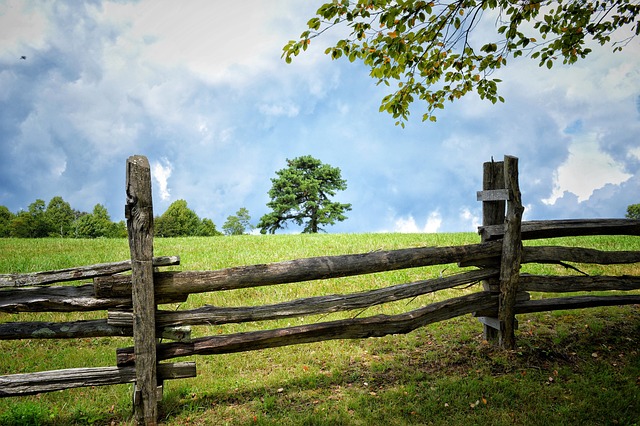
Coastal environments present unique challenges for wooden fencing due to their harsh conditions characterized by high humidity, salty air, and frequent exposure to wind-driven rain. This article delves into the intricacies of crafting durable wooden fences that withstand these demands, ensuring long-lasting protection and privacy for coastal properties. We will explore the selection of rot-resistant woods, the design principles that fortify fencing against the corrosive effects of seawater, and maintenance practices that extend a wooden fence’s lifespan in these challenging environments. Join us as we navigate the best practices for creating a resilient barrier that maintains both aesthetics and functionality, standing strong against the relentless coastal elements.
- Assessing the Demands of Coastal Climates on Wooden Fencing
- Material Selection: Rot-Resistant Woods for Longevity
- Design Considerations for Enhanced Durability in Salty Environments
- Maintenance Strategies to Prolong Wooden Fence Lifespan by Coastal Regions
Assessing the Demands of Coastal Climates on Wooden Fencing
In coastal climates, wooden fencing is subject to a unique set of environmental challenges that can significantly impact its longevity and structural integrity. The proximity to the ocean brings about the salient threat of saltwater corrosion, which accelerates the degradation of wood. Salts in sea air penetrate the wood, causing it to swell, warp, and eventually weaken over time. To mitigate this, fencing solutions must incorporate robust design principles that account for the expansion and contraction properties inherent to wood due to moisture fluctuations. Additionally, the use of specie types with natural resistance to decay, such as cedar or redwood, combined with protective treatments like weather-resistant coatings or preservatives, can enhance the fencing’s resilience against these coastal conditions.
Furthermore, the relentless effects of wind-driven rain and prolonged exposure to high humidity levels necessitate careful selection of materials and construction methods. Fences in such environments require fastening systems that are more robust than those used for inland applications. Corrosion-resistant hardware, including galvanized or stainless-steel nails and connectors, is essential to prevent the failure of joints and fixings. The choice of ground contact wood treatments, which comply with stringent standards like the American Wood Protection Association (AWPA) for above-ground and in-ground use, ensures that the wood remains protected from fungal decay and wood-destroying insects. These considerations are critical to ensure that wooden fencing not only endures the harsh coastal environment but also maintains its aesthetic appeal and functionality over time.
Material Selection: Rot-Resistant Woods for Longevity
When selecting materials for wooden fencing in coastal areas, the primary concern is durability against the harsh marine environment. Rot-resistant woods are paramount for ensuring the longevity of a fence. Among the most suitable options are species such as cedar, redwood, and cypress, which possess natural oils that resist decay and insect infestation. These woods, particularly when treated with appropriate preservatives, can endure the constant exposure to saltwater, strong winds, and high humidity levels typical of coastal climates. The choice between pressure-treated timber or untreated but naturally durable wood depends on the balance between maintenance intensity and environmental considerations. Pressure-treated woods offer a longer lifespan with proper care but come with chemical treatments. In contrast, naturally durable woods provide a more sustainable option, aligning with eco-friendly practices while still offering robust protection against rot and pests. Regardless of the choice, regular maintenance such as staining or painting and thorough inspections for any signs of wear are essential to maintain the integrity of the wooden fence over time. Additionally, proper ground contact barriers and flashing can prevent moisture wicking, which is critical in extending the lifespan of the fencing infrastructure.
Design Considerations for Enhanced Durability in Salty Environments
When constructing durable wooden fencing for coastal areas, design considerations must be tailored to withstand the unique challenges posed by salty environments. The corrosive nature of saltwater and air can rapidly degrade untreated wood, leading to splintering, rot, and reduced lifespan. To combat this, utilizing weather-resistant timber species such as cedar, redwood, or treated pine is essential. These woods are naturally more resistant to decay and have natural oils that provide a protective barrier against the elements.
The design should also incorporate strategic spacing between planks to allow for adequate ventilation and prevent moisture from accumulating, which can exacerbate wood deterioration. Employing stainless-steel or galvanized hardware, such as nails, screws, and brackets, is crucial to ensure that metal components do not corrode and weaken the structure over time. Additionally, the orientation of the wood grain should be optimized for strength and durability; horizontal members should be laid perpendicular to the prevailing wind and water to minimize their exposure. Protective coatings, such as penetrating water repellents or UV-resistant stains, should be applied regularly to further shield the wood from sun damage and moisture intrusion. These measures, combined with a design that facilitates easy inspection and maintenance, can significantly enhance the durability of wooden fencing in coastal environments.
Maintenance Strategies to Prolong Wooden Fence Lifespan by Coastal Regions
In coastal areas, durable wooden fencing requires tailored maintenance strategies to withstand the harsh environmental conditions such as saltwater corrosion and high humidity. Regular inspections should be conducted to identify any signs of wear or damage, particularly to the structural components and protective coatings. It’s advisable to apply protective treatments that are resistant to marine borers and fungi, which are prevalent near the coast. These treatments often include a combination of wood preservatives and water-repellent sealants designed to shield the wood from moisture penetration. Additionally, the use of more weather-resistant wood species, such as cedar or redwood, can offer natural resistance to the elements.
Maintenance strategies also encompass the routine cleaning of salt deposits, which can accelerate decay and degrade the wood over time. A gentle power washing with fresh water, followed by thorough drying, helps maintain the integrity of the wood. Annual or biannual inspections post-cleaning are crucial to assess the condition of the fence and reapply protective coatings as necessary. Employing galvanized or stainless-steel hardware resistant to corrosion is another key aspect of maintaining wooden fences in coastal environments, ensuring that any fasteners or fixtures do not compromise the overall durability of the structure. By adhering to these maintenance practices, the lifespan of a wooden fence can be significantly prolonged, even in the demanding conditions of coastal regions.