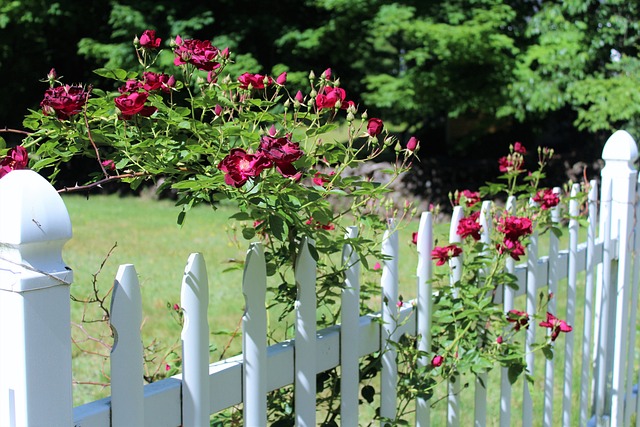
Coastal environments present unique challenges for durable fencing due to their exposure to harsh conditions. This article delves into the art of crafting resilient wooden fences capable of standing up to the relentless forces of wind, salinity, and the corrosive effects of coastal weathering. We explore the most suitable wood types for such settings, best practices in design to mitigate environmental stressors, and maintenance regimens that extend the lifespan of these barriers. Furthermore, we examine case studies where wooden fencing has triumphantly withstood the test of time in coastal climates, offering valuable insights for architects and builders alike. Join us as we navigate the intersection of sustainable materials, innovative design, and enduring craftsmanship to protect our coastal landscapes.
- Material Selection for Coastal Resilience
- Designing for Wind and Salinity
- Maintenance Strategies for Longevity
- Case Studies: Successful Wooden Fencing in Coastal Settings
Material Selection for Coastal Resilience
When constructing durable wooden fencing in coastal areas, material selection plays a pivotal role in ensuring the longevity and resilience of the structure against the harsh conditions prevalent along the coast. The salinity and humidity levels in coastal environments can rapidly degrade wood if materials that are not adequately weather-resistant are used. For optimal performance, fencing should be composed of rot-resistant and durable timber species such as cedar, redwood, or treated pine. These woods have natural resistance to decay and insect infestation, which are common issues in coastal climates. Additionally, pressure-treated lumber is often recommended for its ability to withstand environmental stressors effectively. The treatment process forces preservative deep into the wood, protecting it from the inside out against fungal decay, termites, and other wood-destroying organisms.
Incorporating protective measures such as a durable waterproof coating or sealant is also essential to maintain the integrity of the wood over time. These coatings act as a shield, preventing moisture from penetrating and causing swelling, warping, or decay. Regular maintenance, including inspections and re-sealing every few years, should be part of an ongoing care plan to ensure the fencing remains intact and continues to fulfill its purpose as a barrier and privacy screen. The choice of fasteners, such as galvanized or stainless steel hardware, is equally critical, as they are less likely to corrode in the presence of salt air than standard metal fixings. By carefully selecting materials and adhering to best practices for installation and maintenance, wooden fencing can stand as a resilient and attractive boundary against coastal elements for many years.
Designing for Wind and Salinity
When designing durable wooden fencing for coastal areas, it is imperative to account for the unique environmental conditions that prevail along the shoreline. Coastal environments are subject to high winds, salt spray, and varying moisture levels, all of which can rapidly degrade standard wood fencing materials. To mitigate the effects of wind, a robust design should incorporate thicker posts set deeply into the ground to provide stability against strong gales. The orientation of the boards and gates should be strategically planned to minimize wind resistance while allowing for natural airflow that can help to dry any moisture that does accumulate.
In addition to wind considerations, the salinity in coastal environments is particularly corrosive to wood. To combat this, using weather-resistant wood species such as cedar or redwood, which have natural resistance to decay and pests, is advisable. Additionally, applying protective coatings, such as penetrating water repellents and preservatives, can further shield the wood from the damaging effects of saltwater. Regular maintenance, including inspections and re-coating every few years, is necessary to ensure the longevity of the fence. Employing treated lumber or alternative durable materials like composite or PVC where wood may be less viable can also provide effective solutions in these challenging conditions.
Maintenance Strategies for Longevity
To ensure the longevity of wooden fencing in coastal areas, where harsh environmental conditions prevail, it is imperative to implement robust maintenance strategies. Regular inspections are a cornerstone of maintenance; these should occur at least twice a year, focusing on identifying and addressing any issues early. Saltspray from ocean winds can accelerate decay and corrosion, so treatments that protect against these elements are vital. Fences should be coated with a high-quality, weather-resistant sealant or stain every one to three years, depending on the product’s durability and exposure level. This protective layer not only shields the wood from ultraviolet (UV) rays but also from moisture ingress, which can lead to mold and fungal growth.
Moreover, choosing the right wood species is crucial for resilience. Species such as cedar, redwood, and cypress are naturally resistant to rot and insects, making them suitable options for coastal fencing. Beyond the initial choice of materials, it’s important to consider the installation technique; proper ventilation between posts and the ground can prevent wood rot by allowing moisture to escape. Additionally, any damage discovered during inspections should be promptly repaired, with special attention given to replacing rotted or compromised sections before they compromise the integrity of the entire structure. Regular cleaning, typically with a mild detergent solution, helps maintain the fence’s appearance and prevents debris accumulation, which can trap moisture and exacerbate decay. With these proactive maintenance measures, wooden fencing can stand as a stalwart barrier against the elements for many years.
Case Studies: Successful Wooden Fencing in Coastal Settings
In coastal environments, durable wooden fencing stands as a testament to the versatility and resilience of well-designed timber structures. Several case studies along the Atlantic and Pacific coastlines demonstrate the effectiveness of certain wood species and treatments that have proven to withstand the harsh conditions presented by salty air, high humidity, and potential water exposure. For instance, in the maritime town of Newport, Rhode Island, local builders utilized marine-grade cedar, treated with a protective coating specifically formulated for coastal climates. This treatment not only shields the wood from saltwater but also from the sun’s ultraviolet rays, which are prevalent in such settings. The result is a fence that has remained robust and aesthetically pleasing for over two decades without significant signs of wear or decay. Another successful implementation can be observed in the small coastal town of Manzanillo, Mexico, where fences crafted from galvanized steel posts with hardy tropical timber rails have endured the test of time. The combination of materials not only provides a sturdy structure but also allows for the natural expansion and contraction of the wood due to moisture changes without compromising the integrity of the fence. These case studies underscore the importance of selecting the right species of wood, appropriate treatments, and effective designs tailored to the unique challenges coastal areas present. By doing so, wooden fencing can serve as a long-lasting solution that maintains both functionality and visual appeal in these demanding environments.