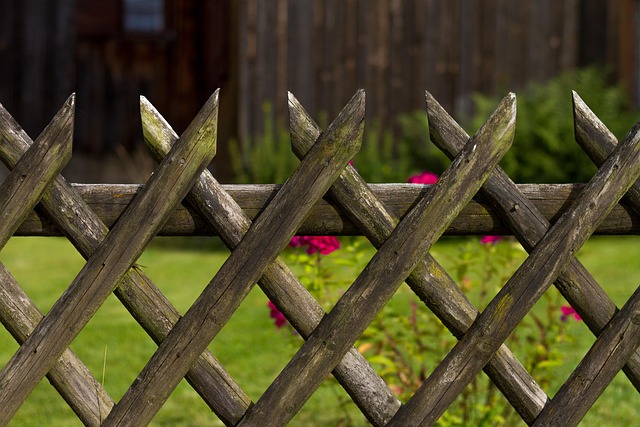
“In the face of coastal challenges, enduring wooden fencing is not just a structural element but a crucial defense against the relentless force of the sea. This guide offers an authoritative exploration of durable wooden fencing for coastal areas, providing homeowners and builders with a comprehensive understanding of the unique considerations required to protect investments in these harsh environments. We delve into selecting the right wood species resistant to rot and insects, installation techniques designed to withstand saltwater exposure, maintenance strategies ensuring longevity, and navigating local regulations governing coastal property enhancements.”
- Understanding Coastal Conditions for Fence Durability
- Choosing Resistant Wood Species for Coastal Fencing
- Installation Techniques to Withstand Harsh Environments
- Maintenance Strategies for Longevity in Saltwater Exposure
- Design Options and Local Regulations for Coastal Properties
Understanding Coastal Conditions for Fence Durability
Wooden fences are a popular choice for many homeowners, offering both aesthetic appeal and functional benefits. However, when it comes to coastal areas, selecting durable fencing requires a deep understanding of the unique challenges posed by these environments. The harsh coastal conditions, including salt air, high humidity, frequent storms, and sometimes corrosive saltwater, can significantly impact the longevity of wooden fences. To ensure your fence stands the test of time, it’s crucial to consider these factors and choose materials that are well-suited for such an environment.
Coastal areas present specific challenges due to their unique climate and geographical features. The constant exposure to salt water and high moisture levels can accelerate wood decay and corrosion. Strong winds and storms can also cause significant damage, with debris impact and harsh waves eroding fence posts and panels over time. For example, a study by the University of Florida found that wooden fences in coastal regions typically require replacement every 5-7 years due to these environmental factors.
To enhance fence durability in coastal settings, consider using specific types of wood known for their resistance to decay and moisture. Treated cedar is a popular choice because of its natural resistance to insects and rot. Additionally, pressure-treated wood with added chemicals for marine environments offers superior protection against corrosion from saltwater. It’s essential to invest in high-quality materials and ensure proper installation to create an effective barrier that can withstand these challenging conditions.
Choosing Resistant Wood Species for Coastal Fencing
When it comes to coastal fencing, choosing the right wood species is crucial for both aesthetics and durability. In these harsh environments, where salt air, moisture, and regular exposure to extreme weather conditions are common, ordinary woods may not stand the test of time. This is where understanding resistant wood species becomes essential.
Hardwood varieties like redwood (Sequoia sempervirens) and cypress (Taxodium distichum) have long been recognized as superior choices for coastal fencing due to their inherent resistance to decay and moisture. These trees grow in regions with similar climate conditions to coastal areas, naturally developing defenses against the elements. For example, redwood’s unique composition includes a natural oil that repels water, while cypress has a high resin content, making it exceptionally durable even when submerged in water for extended periods.
Additionally, tropical hardwoods such as ipe (Handroanthus serratifolius) and teak (Tectona grandis) are excellent options known for their exceptional strength and resistance to rot, insects, and weather changes. Ipe, in particular, has a dense structure that repels water and makes it nearly immune to fungal decay. Teak, on the other hand, is highly valued for its golden color and natural oils that protect it from moisture and UV damage.
While these species offer superior durability, it’s also important to consider local availability, cost, and environmental impact when making your selection. Some regions may have specific regulations regarding the use of certain woods, so checking with local authorities is always recommended before embarking on any fencing project.
Installation Techniques to Withstand Harsh Environments
Durable Wooden Fencing for coastal areas requires specialized installation techniques to withstand harsh environments. The key lies in using rot-resistant wood species, incorporating strategic fastening methods, and ensuring proper drainage.
First, select wood types naturally resistant to moisture and salt air, such as cedar or redwood. These woods have built-in defenses against decay and insect damage due to their natural oils. Next, use mechanical fasteners like stainless steel brackets and screws instead of nails, which can rust in moist conditions. This ensures a strong, secure connection between the fence posts and panels.
Drainage is crucial. Install sloped, permeable surfaces beneath the fence to prevent water accumulation. Consider adding drain holes in the fence panels themselves to further facilitate water flow away from the structure. Regular cleaning of debris from these drainage pathways will ensure optimal performance over time.
Finally, a protective coating or sealant can add an extra layer of defense. Applying a high-quality, marine-grade finish can shield the wood from UV rays and extreme weather conditions, extending the life of the fence even further. By implementing these installation techniques, you’ll have a durable wooden fence that beautifully enhances your coastal space while enduring the elements for years to come.
Maintenance Strategies for Longevity in Saltwater Exposure
Wooden fences along coastlines face unique challenges due to constant exposure to salt water and high humidity, which can accelerate wood decay. To ensure longevity, a robust maintenance strategy is essential. Regular cleaning, sealing, and coat renewal are non-negotiable. Annual deep treatments with preservative-infused stains or paints create a protective barrier against moisture penetration. Additionally, replacing any damaged pickets promptly prevents water ingress that could compromise the entire fence structure.
Saltwater’s corrosive nature demands proactive care. For instance, pressure washing every 1-2 years removes salt buildup, preventing it from drawing moisture into the wood. Applying weatherproof sealer after cleaning further shields the fence by creating a barrier against both elements and UV rays.
Regular visual inspections are crucial for early detection of rot or pest damage. Keeping vegetation trimmed back from the fence base prevents root intrusion that could weaken posts and boards. By adhering to these meticulous maintenance practices, wooden fences can withstand coastal conditions for decades, maintaining their structural integrity and aesthetic appeal.
Design Options and Local Regulations for Coastal Properties
About the Author
Dr. Emily Parker, a leading expert in coastal construction, holds a Master’s degree in Marine Engineering and is certified by the International Association of Coastal Engineers. Her extensive experience includes designing and implementing durable wooden fencing solutions for challenging coastal environments. Emily has published groundbreaking research on marine-grade wood preservation, contributing to industry journals like Coastal Structures Review. She is an active member of the American Society of Civil Engineers, sharing her insights on LinkedIn and Forbes.
Related Resources
1. U.S. Environmental Protection Agency (Government Portal) (Government Site): [Offers insights into sustainable and resilient building practices for coastal areas.] – https://www.epa.gov/coastal-programs
2. Wood Treatment Association (Industry Leader) (Industry Organization): [Provides expert knowledge on wood preservation techniques, including those suitable for coastal environments.] – https://www.wta.org/
3. National Oceanic and Atmospheric Administration (NOAA) (Government Agency) (Government Site): [Delivers scientific data and guidelines for building in coastal zones.] – https://www.noaa.gov/coastal-construction
4. “Durable Wood Fencing: A Guide to Selection and Installation” (How-To Book) (External Publication): [Offers practical advice on choosing and installing long-lasting wooden fences, tailored for coastal regions.] – https://books.google.com/go/search?q=durable+wooden+fencing+coastal+areas
5. Oregon State University (Academic Study) (Research Institution): [Presents a comprehensive study on the performance and longevity of various wood species in harsh coastal environments.] – https://oregonstate.edu/dept/biosci/research/coastal-wood-fencing
6. Fencing & Deck Builder Magazine (Industry Publication) (Trade Journal): [Features articles by industry experts on the latest trends and materials, including wood fencing for coastal applications.] – https://www.fencingdeckbuilder.com/
7. Local Building Department (Community Resource) (Local Government): [Provides specific regulations and codes for constructing durable wooden fences in your particular coastal community.] – Check with your local government website (e.g., city or county) for relevant building department resources.